
Blog
Why Metal Gear Digital Servos Perform Better For UAV & Industrial Automation
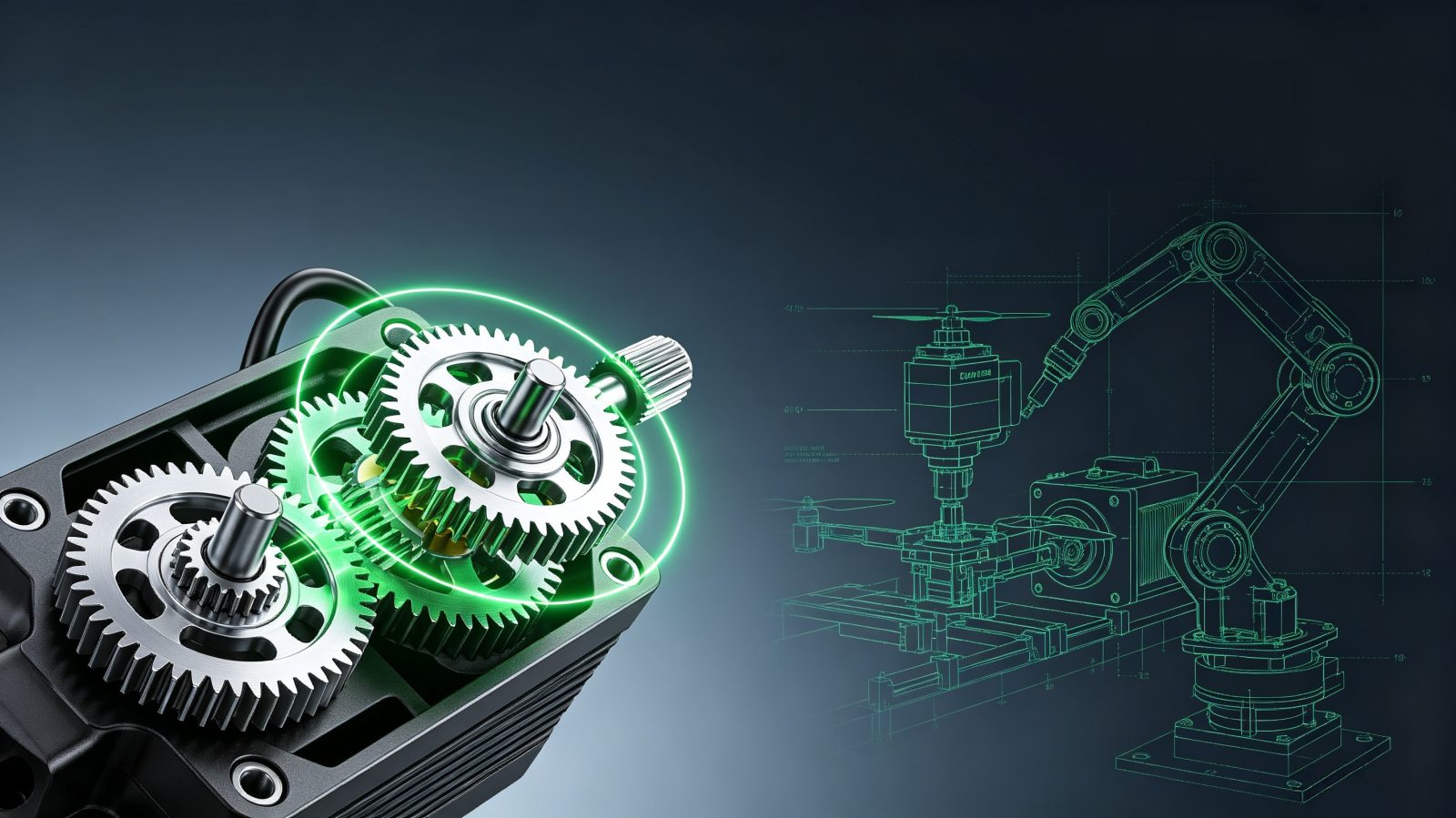
In modern UAV equipment, automated production lines, smart monitoring devices and various industrial‑grade automatic machinery, digital servos undertake critical steering, angle adjustment and position‑locking tasks. Even if your control circuit and software algorithm are well‑designed, poor‑quality internal gear sets will become the weakest link of the whole system. A large number of overseas buyers have learned from practical experience: gear material and processing craft largely decide servo reliability, failure rate and total product lifecycle.
Compared with plastic‑gear servos, high‑precision metal‑gear digital servos bring multiple obvious strengths for high‑requirement scenarios. First of all, metal gears can withstand larger instant impact load. During UAV flight, wind interference will produce sudden impact force on steering servos. In industrial automation equipment, frequent start‑stop and direction‑switching also generate mechanical impact. Plastic gears are easy to have tooth crack, abrasion and tooth‑skipping under such working conditions, while qualified metal gear groups can absorb such impact and keep stable output performance.
Secondly, metal gears own excellent long‑term anti‑wear performance. UAV and industrial automation devices often need to keep working for hours continuously. Repeated high‑frequency rotation will cause gradual abrasion to gear teeth. After long‑time running, worn gears will result in position deviation, shaking output and inaccurate angle location. Metal‑gear servos slow down this wear process greatly, helping equipment maintain consistent accuracy for a much longer time. This will effectively reduce equipment maintenance frequency and lower your overall after‑sales cost.
We have received lots of real feedback from our global customers. Some drone manufacturers once used low‑cost plastic‑gear servos for steering mechanism. After short‑term flight test, gear damage appeared and caused drone out‑of‑control risks. After switching to HS‑SERVO metal‑gear digital servo series, the field failure rate dropped significantly. For assembly‑line automation customers, stable servo performance helps them avoid unexpected line shutdown caused by component damage, which means less economic loss for production.
Nevertheless, not all metal‑gear servos on the market deliver equal quality. Poor‑material gears or rough processing craft will produce burr, excessive internal friction, abnormal heating and short service life. At HS‑SERVO, under Shenzhen Jinjiu Technology Co., Ltd., we attach great importance to raw‑material selection and precision machining. Every metal‑gear servo will go through strict aging test, load test and performance inspection before leaving factory. Unqualified units will be screened out during production procedure.
Our metal‑gear servo product line covers multiple torque grades, different shell sizes and diverse shaft specifications. Whether you need standard mass‑production models for batch purchase, or modified versions with special shaft size, mounting hole position or customized internal structure, our factory can realize your requirements.