
Blog
How To Choose The Right Digital Servo For Your Robotics Project
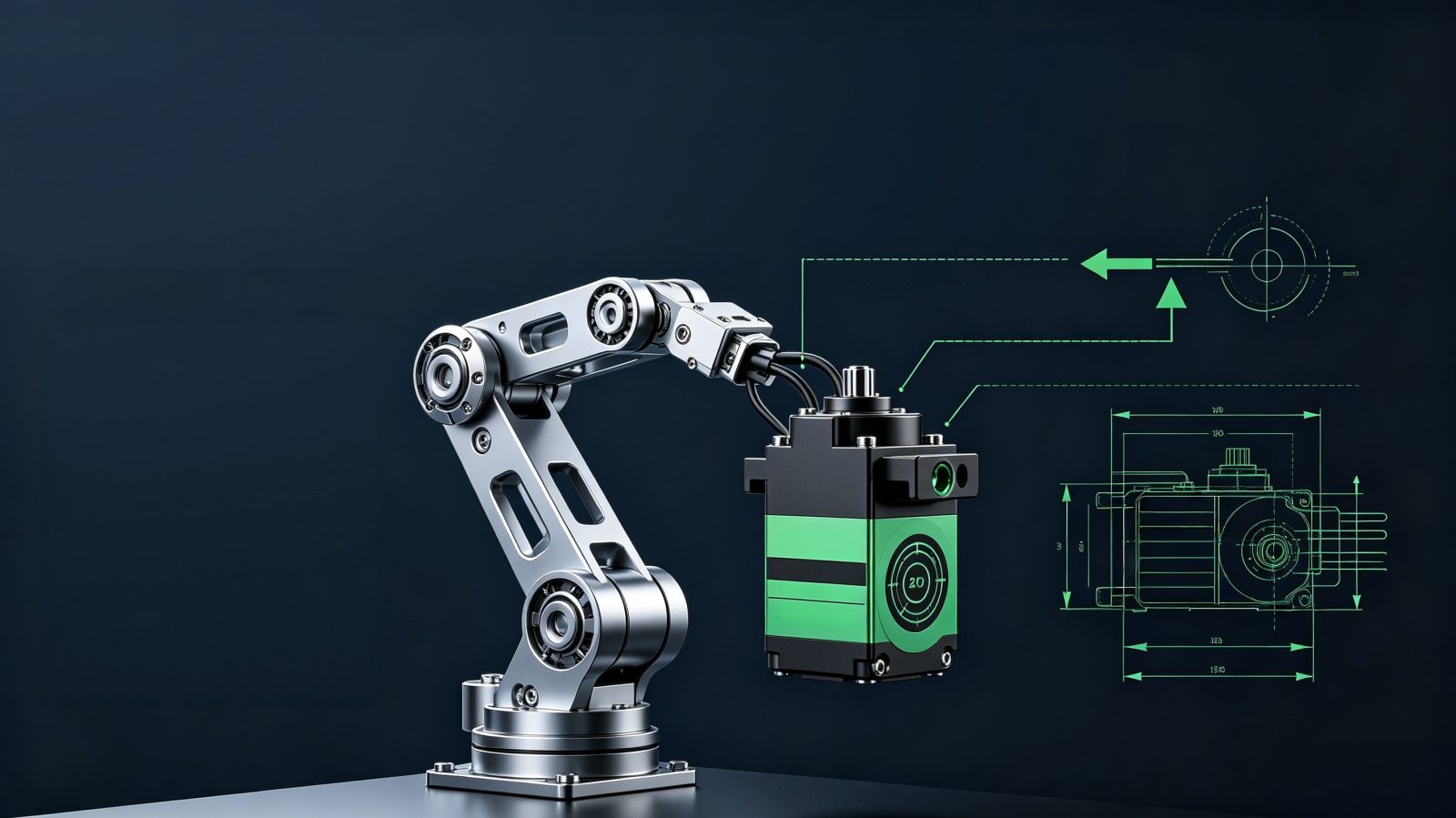
When you are developing robotic arms, biped robots, automated handling equipment or educational robot kits, every component matters, and the servo is the core motion‑executing unit. Many project developers and wholesale buyers overlook key specifications at the selection stage, only to face insufficient output torque, jittering movement, overheating, gear slippage or short service life after assembly. These unexpected problems will delay project progress, increase testing cost and bring bad user experience for end products. For this reason, understanding how to evaluate and pick a proper digital servo becomes essential before you place bulk orders.
The first and most important factor you should confirm is torque requirement. Torque defines the maximum load the servo joint can drive. You need to calculate the actual load weight plus mechanical leverage of your structure. For heavy‑duty robotic joints, lifting mechanisms and industrial‑grade equipment, high‑torque metal‑gear digital servos are strongly recommended. For lightweight educational robots, small demonstration models or low‑load interactive devices, compact servos with moderate torque can meet demands and help you control total cost. Over‑specification will cause unnecessary cost waste, while under‑specification directly leads to functional failure.
Operating speed and working voltage range deserve your full attention as well. Servo rotating speed changes under different input voltages. You must make sure the servo rated voltage is fully compatible with your whole system power supply. If the power output from your main board or power module cannot match servo requirements, you will get slow response, unstable signal or even permanent hardware damage. Besides speed and voltage, signal mode is also worth checking. Most of our HS‑SERVO series support standard PWM signal, and we can make adjustments for special control systems upon custom requests.
Gear material is another non‑negligible evaluation point. Metal gears feature outstanding hardness, wear‑resistance and impact‑resistance. They perform stably under long‑time continuous operation and frequent forward‑reverse rotation scenarios. Plastic‑gear servos are light‑weight and cost‑effective, yet they are more suitable for intermittent‑use RC hobby projects instead of industrial continuous‑running applications. Many customers told us they suffered frequent gear broken issues because they applied plastic‑gear servos into heavy‑load continuous‑working projects.
Apart from above key parameters, you also need to consider installation dimension, shaft type, shell structure, operating temperature range and expected service life. Some projects have strict limits on space size, so compact outline size will be a hard requirement. Outdoor robot applications need servos that can work within wide temperature ranges.
As the brand under Shenzhen Jinjiu Technology Co., Ltd., HS‑SERVO has accumulated rich experience serving robot developers, research institutions and equipment manufacturers all over the world. We do not only supply standard off‑the‑shelf servo models, but also support sample testing service for project verification. If you cannot find existing stock products fully matching your design indexes, our in‑house engineering team can provide professional OEM & ODM customized motion‑control solutions.
If you are working on a new robotics project and confused about servo model selection, feel free to contact our sales team. Send us your detailed application background, load requirement, size limits and expected quantity. We will offer technical datasheets, parameter comparison table and competitive sample & wholesale offers for your reference.